

Facelifts stay one of the very sought-after procedures in artistic surgery, with countless people opting for facial rejuvenation each year. When contemplating facelift alternatives, individuals often experience two prominent practices: the deep plane facelift vs mini facelift vs smas. Equally methods goal loose skin and loss in facial size, but delicate differences can effect outcomes, recovery, and over all satisfaction. deep plane facelift vs SMAS facelift has become a trending search phrase as individuals increasingly find evidence-based reviews before committing to surgery.
What Are deep plane and SMAS Facelifts?
The deep plane facelift involves rethinking the deeper levels of facial muscle, like the muscles and fat, to restore an all-natural, vibrant contour. By handling the underlying structures fairly than just the skin, the technique usually gives longer-lasting results.
The SMAS (Superficial Musculoaponeurotic System) facelift targets the fibromuscular layer beneath the skin, raising and securing that coating to clean lines and sagging. Whilst it is less unpleasant when compared to a deep plane facelift, the SMAS approach may however make dramatic changes, specially for people in early phases of facial aging.

How Do Recovery Occasions Compare?
Information from patient surveys suggest that healing instances for SMAS facelifts generally range from 10 to 14 days for preliminary healing, with most individuals resuming usual activities within 3 weeks. On the other hand, deep plane facelifts may need a slightly lengthier recovery time, averaging 2-3 months before people feel fully comfortable. Swelling and bruising are generally more evident originally with deep plane facelifts, but these consequences reduce within the very first month.
Endurance of Effects
Reports and medical studies suggest that deep plane facelifts maintain effects for 8 to 12 years normally, while SMAS facelifts may possibly give obvious improvements for 5 to 8 years. That difference is caused by the more intensive muscle repositioning in the deep plane approach, which handles not just loose skin but also main facial structures.
Individual Satisfaction and Cosmetic Outcomes
Review statistics display large pleasure charges for equally techniques, with around 90% of SMAS facelift individuals confirming apparent development in facial appearance, while deep plane facelift people report satisfaction costs nearer to 95%. The increased longevity and natural-looking results of the deep plane facelift frequently lead to raised long-term individual satisfaction.
Chance Users
Complication costs stay fairly minimal for equally techniques, with small risks including short-term nerve weakness, swelling, or hematoma. Knowledge from operative outcomes reveal that the deep plane facelift might hold a slightly larger threat of short-term facial nerve irritation because of the greater muscle dissection, nevertheless critical problems stay exceptional in skilled hands.
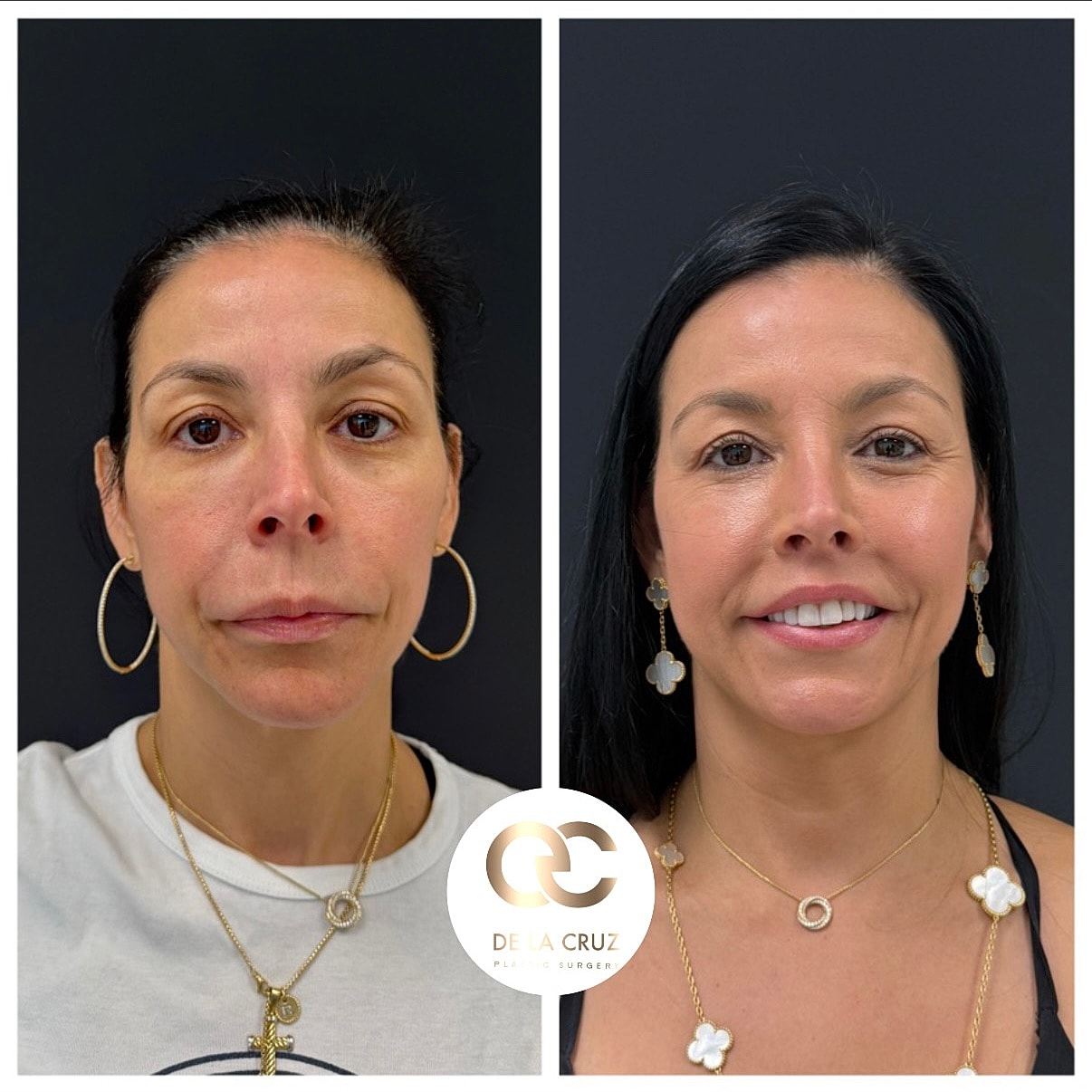
Which Method Is Right for You?
Patient-specific factors, such as for example age, skin elasticity, and ideal outcomes, are critical whenever choosing between these techniques. deep plane facelifts in many cases are suggested for patients with significant sagging or these seeking longer-lasting results. SMAS facelifts may be ideal for younger individuals or these trying to find average lifting with a shorter healing period.
Conclusion
Mathematical styles, individual feedback, and clinical studies all spotlight the importance of individualized consultation when choosing between a deep plane facelift and a SMAS facelift. Equally techniques provide outstanding aesthetic improvements, but simple differences in recovery, endurance, and structure treatment might impact the perfect choice. People considering facial restoration are inspired to examine data-driven reviews and consult with a board-certified doctor to determine the method that best aligns making use of their goals.